Why Sunscreen is Non-Negotiable for Acne-Prone Skin
The sun is responsible for nearly 90% of visible skin aging, making sunscreen one of the most critical steps in any skincare routine. Despite this, many people with acne-prone or oily skin skip sunscreen altogether — fearing clogged pores, greasy residue, and unwanted breakouts. The good news? Choosing the right sunscreen for acne-prone skin can protect your skin without triggering flare-ups.
Oily Skin vs. Acne-Prone Skin: What's the Difference?
Understanding your skin type is the first step to finding the best SPF for oily skin.
Oily skin results from overactive sebaceous glands producing excess sebum. Genetics, hormonal fluctuations, and diet are common contributing factors. Key signs include enlarged pores, a persistent shine — especially in the T-zone (forehead, nose, and chin) — and frequent breakouts.
Acne-prone skin, by contrast, is defined by recurring breakouts that are slow to heal, regardless of oil levels.
If your skin is consistently greasy and prone to regular breakouts, you likely have oily, acne-prone skin — a combination that responds well to a targeted skincare routine and carefully selected products.
How to Tell If You Have Oily, Acne-Prone Skin
Try the simple tissue test at home:
- Wash your face and leave it bare for one hour — no products.
- Press a tissue gently against your forehead, nose, and cheeks.
- If the tissue picks up visible oil or shine, you have oily skin.
How to Choose the Best Sunscreen for Acne-Prone Skin
1. Texture
Most conventional sunscreens are too thick and heavy for oily or acne-prone skin. Look for lightweight, non-greasy sunscreens — ideally water-based formulations that absorb quickly and leave a matte finish without a white cast.
The best sunscreen formats for oily skin include gels, sprays, and light lotions, as these absorb efficiently without leaving a heavy residue that can clog pores.
2. Type: Chemical vs. Physical Sunscreen
Sunscreens fall into two categories:
-
Chemical sunscreens absorb UV rays and neutralize them within the skin. However, some chemical filters may irritate sensitive or acne-prone skin.
-
Physical (mineral) sunscreens sit on the skin's surface, forming a protective barrier that reflects UV rays. These are generally better suited for sensitive, acne-prone skin and often feature natural, skin-friendly ingredients.
3. Key Ingredients to Look For (and Avoid)
When scanning the label, watch out for chemical UV filters like Ethylhexyl Methoxycinnamate and Butyl Methoxydibenzoylmethane. For safer, gentler formulations, look for sunscreens labeled:
- ✅ Phthalate-free
- ✅ Paraben-free
- ✅ Sulphate-free
These labels indicate the product is free from pore-clogging ingredients that can worsen acne.
4. SPF Level and PA Rating
SPF (Sun Protection Factor) measures protection against UVB rays — the higher the number, the stronger the shield.
PA rating measures UVA protection — more "+" symbols mean greater protection.
For everyday use, opt for a minimum of SPF 30. If you're spending extended time outdoors, choose a higher SPF sunscreen that is also water-resistant and sweat-resistant.
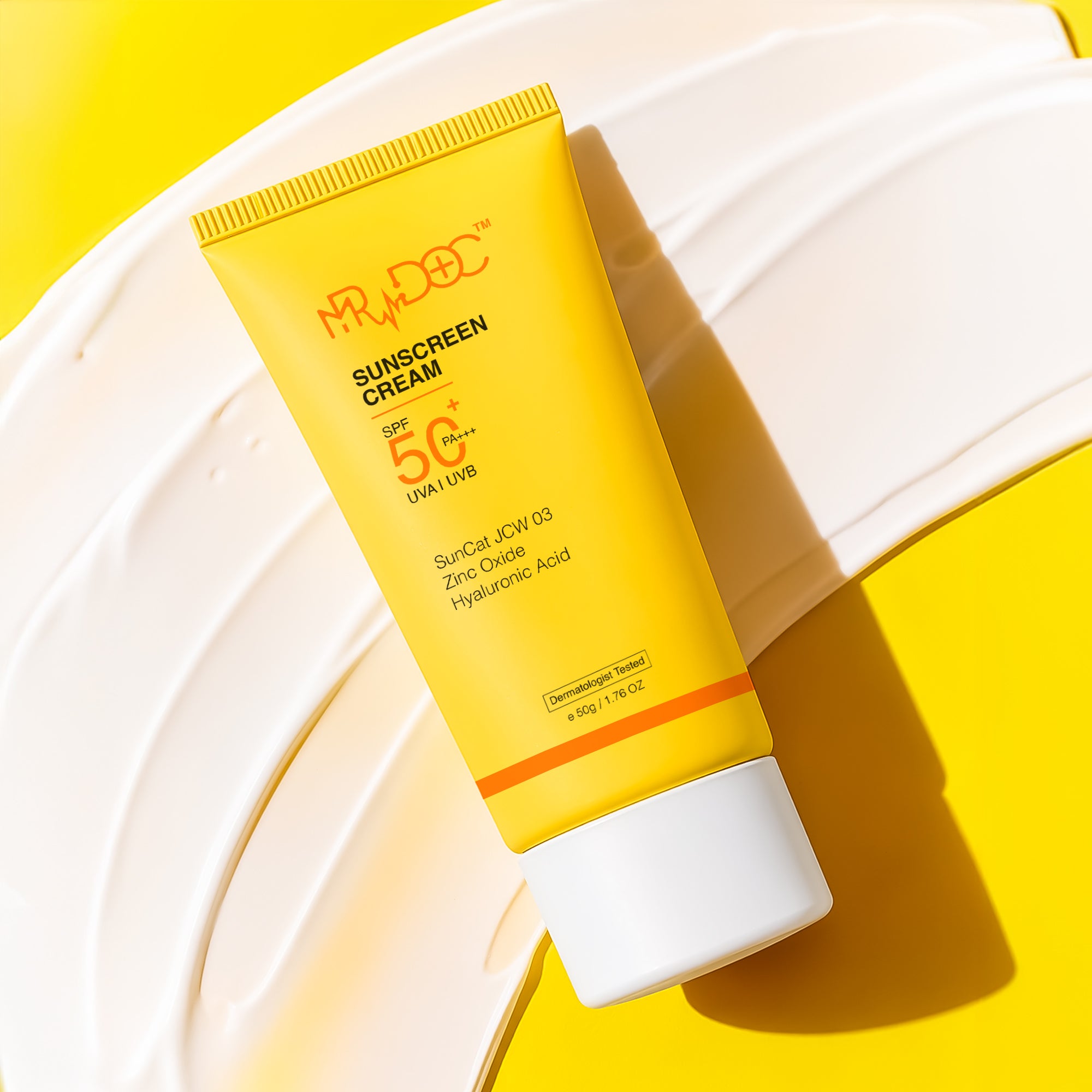
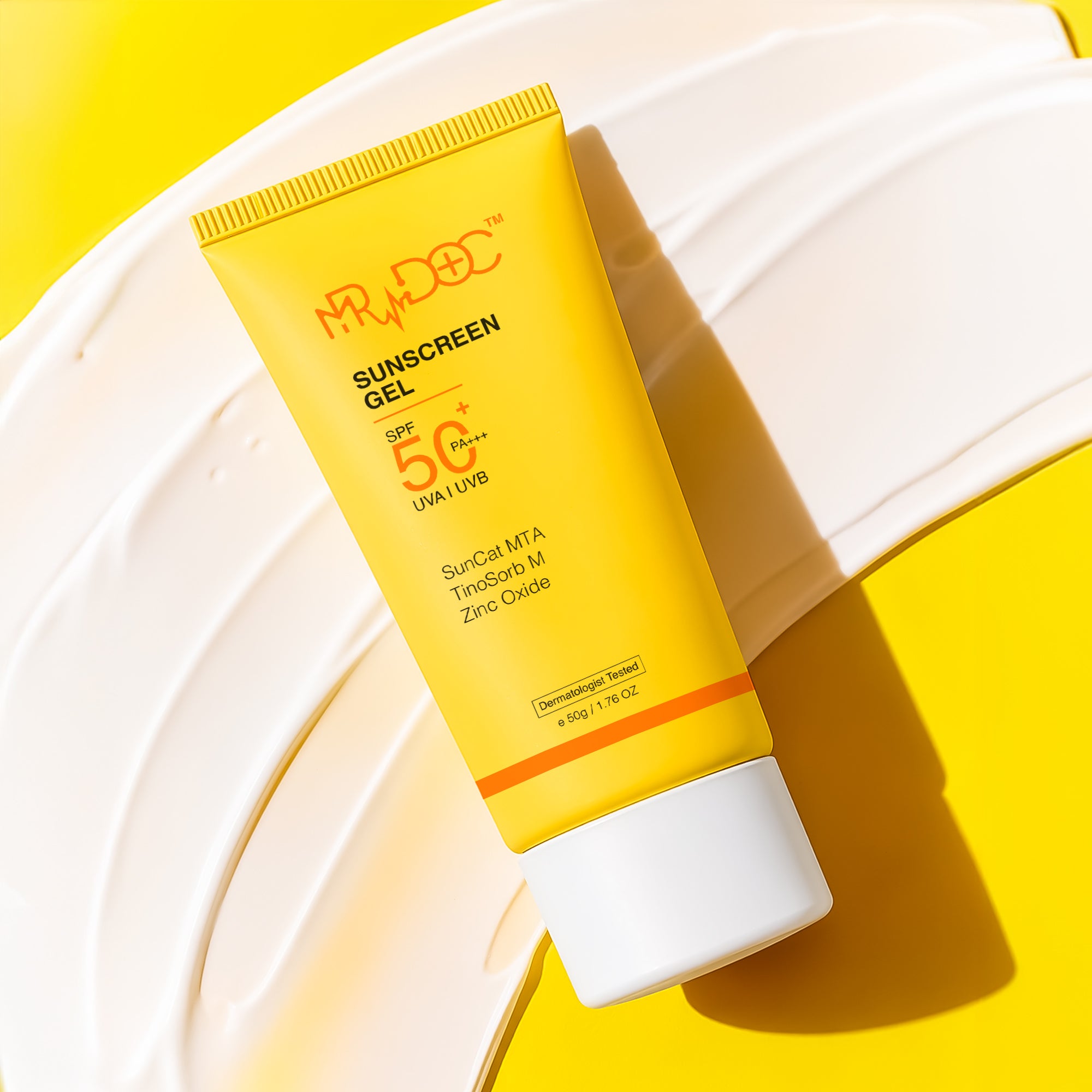
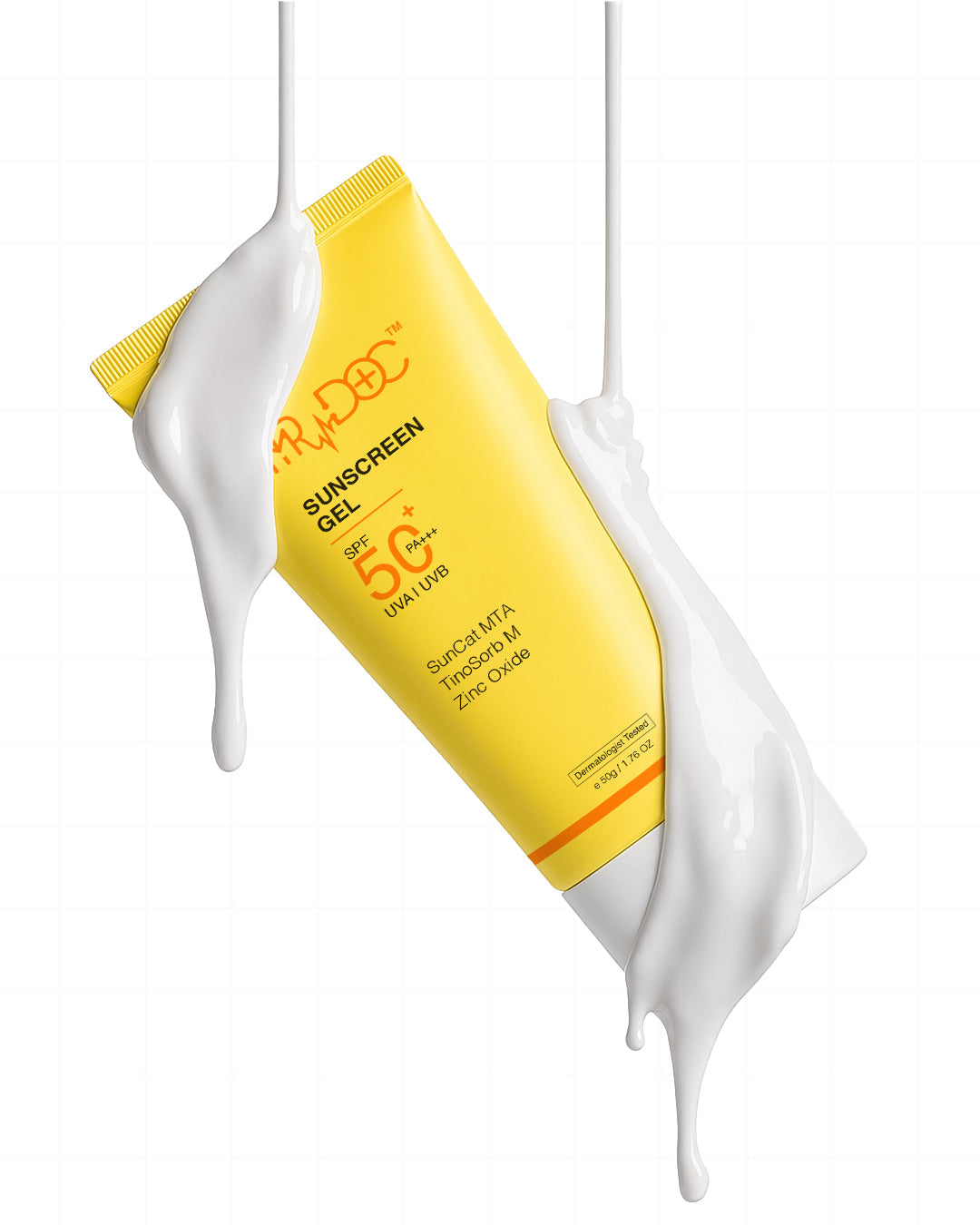
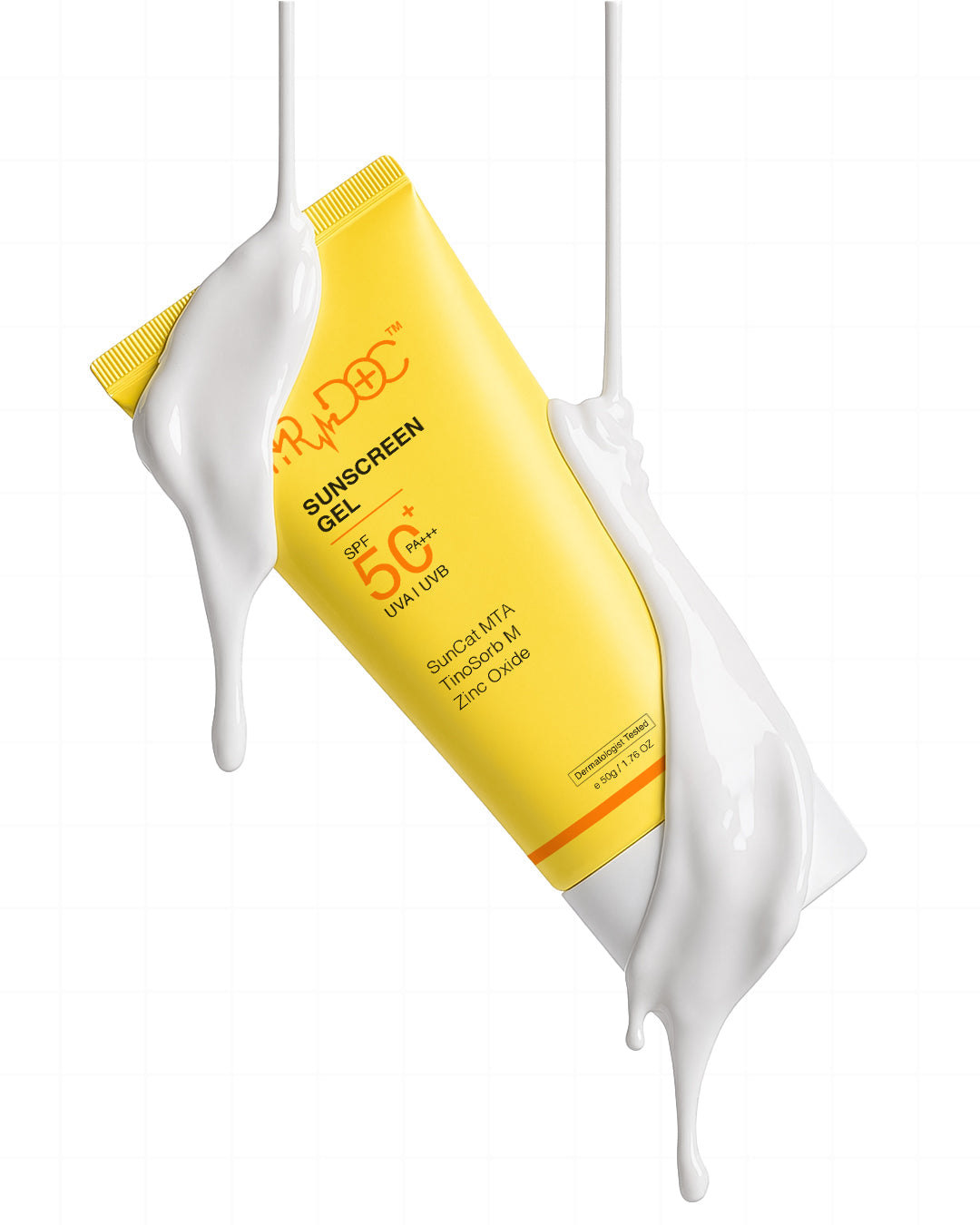
A great example is the Gel Sunscreen for Oily Skin by MRDOC — a broad-spectrum sunscreen with a lightweight, water-resistant formula that absorbs fast, leaves no white cast, and is ideal for oily, acne-prone skin.
Final Thoughts
Skipping sunscreen is never an option — especially for acne-prone skin. Finding the best sunscreen for your skin type may take some trial and error, but the right pick can make managing oily, acne-prone skin significantly easier. Prioritize non-comedogenic, oil-free, and lightweight SPF formulas to protect your skin without compromising its clarity.
FAQs
Why do people with oily and acne-prone skin need sunscreen?
Sunscreen protects against UV damage, which can worsen acne, trigger dark spots, and accelerate skin aging. Daily SPF use helps prevent sunburn and long-term skin damage.
What kind of sunscreen works best for acne-prone skin?
Lightweight, non-greasy, water-based sunscreens — such as gels, sprays, or thin lotions — work best. They absorb quickly without leaving a pore-clogging residue.
How does gel sunscreen benefit oily, acne-prone skin?
Gel sunscreens are lightweight, fast-absorbing, and non-greasy, making them perfect for oily skin. They provide effective sun protection without blocking pores or triggering new breakouts.
What SPF level is recommended for daily use?
Use a minimum of SPF 30 for daily protection. For prolonged outdoor activities, choose a higher SPF formula that offers sweat and water resistance.