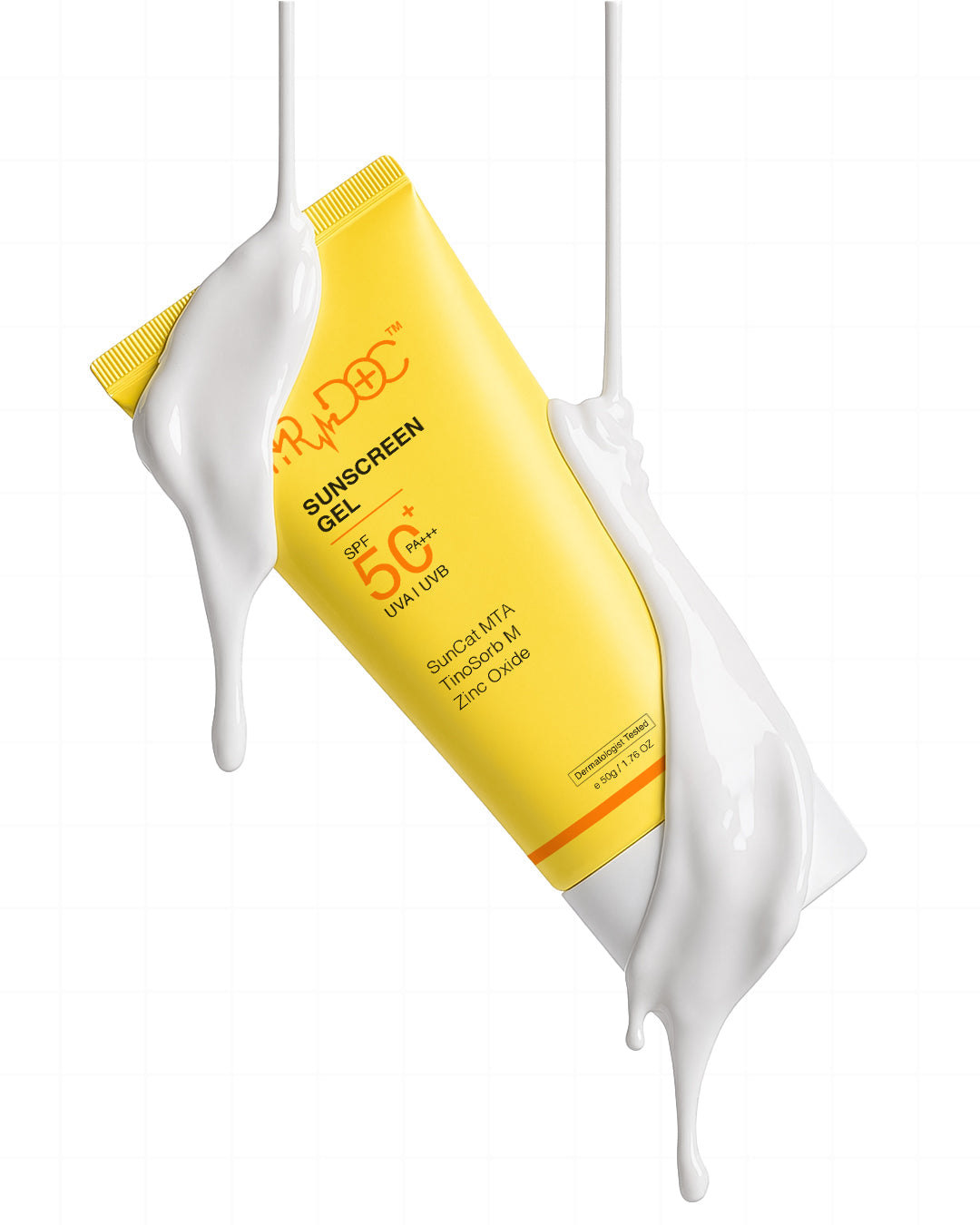
Stay protected, stay cool, and keep your skin healthy during intense heat waves
Why Sunscreen is More Critical Than Ever During Heatwaves
As heatwaves become more frequent and intense due to climate change, protecting your skin from the sun is no longer just a summer tip — it's a health necessity. During a heatwave, UV radiation levels spike dramatically, increasing your risk of sunburn, heat rash, premature skin aging, hyperpigmentation, and even skin cancer.
Whether you're commuting, working outdoors, or simply stepping out for groceries, applying the best sunscreen for heatwaves is one of the smartest and simplest things you can do for your skin and overall health.
What Happens to Your Skin During a Heatwave?
Extreme heat doesn't just make you sweat — it actively damages your skin in multiple ways:
- UV radiation intensifies, accelerating sun damage and burning
- Skin dehydration increases, weakening the skin barrier
- Sebum production spikes, leading to clogged pores and breakouts
- Hyperpigmentation worsens, especially in darker skin tones
- Heat rash and inflammation become more common
- Sweat washes away sunscreen, reducing its effectiveness
This is why choosing a sweat-proof, water-resistant, high-SPF sunscreen during heatwaves is absolutely essential.
Understanding SPF: What Do the Numbers Really Mean?
Before picking the best SPF sunscreen for summer heat, it's important to understand what SPF actually means:
| SPF Level |
UVB Rays Blocked |
Recommended For |
| SPF 15 |
~93% |
Minimal outdoor exposure |
| SPF 30 |
~97% |
Daily use, moderate sun |
| SPF 50 |
~98% |
Prolonged outdoor activity |
| SPF 50+ |
~99% |
Heatwaves, beach, sports |
During a heatwave or extreme sun exposure, dermatologists recommend using a minimum of SPF 50 or above. Pair that with a high PA++++ rating for maximum UVA and UVB broad-spectrum protection.
Pro Tip: SPF numbers don't double protection linearly. SPF 100 doesn't mean twice the protection of SPF 50. Reapplication every 2 hours matters more than chasing higher numbers.
Chemical vs. Mineral Sunscreen: Which is Better for Heatwaves?
One of the most searched questions in skincare is: "Should I use chemical or mineral sunscreen in summer?" Here's a quick breakdown:
Chemical Sunscreen
- Absorbs into the skin and converts UV rays into heat
- Lightweight and cosmetically elegant — great under makeup
- Can feel heavy and cause irritation in extreme heat
- May sting eyes when mixed with sweat
- Best for: Normal to dry skin types in moderate heat
Mineral (Physical) Sunscreen
- Sits on the skin's surface and reflects UV rays
- Contains zinc oxide or titanium dioxide
- Gentle on sensitive and acne-prone skin
- May leave a white cast, though modern formulas reduce this
- Best for: Sensitive skin, children, heatwave conditions
Hybrid Sunscreens
A growing trend in sunscreen innovation, hybrid formulas combine both chemical and mineral filters — offering broad-spectrum protection with a skin-friendly feel. These are increasingly recommended for heatwave skincare routines.
Top Features to Look for in a Heatwave Sunscreen
When temperatures soar, not all sunscreens are created equal. Here's what to prioritize when shopping for the best sunscreen for hot weather:
-
✅ Broad-Spectrum Protection
Always choose a sunscreen labeled "broad-spectrum" — this means it protects against both UVA rays (aging) and UVB rays (burning).
-
✅ SPF 50 or Higher
During heatwaves, go for SPF 50, SPF 70, or SPF 100 for maximum coverage. Don't settle for anything below SPF 30 even on cloudy days — UV rays penetrate clouds.
-
✅ Water and Sweat Resistance
Sweating is inevitable in a heatwave. Look for sunscreens labeled "water-resistant (80 minutes)" to ensure your protection doesn't wash away.
-
✅ Lightweight, Non-Greasy Formula
Heavy, greasy sunscreens become unbearable in extreme heat. Opt for gel-based, water-based, or fluid sunscreens that feel comfortable even in high temperatures.
-
✅ Non-Comedogenic Formula
Sweat + heavy sunscreen = clogged pores and breakouts. Always choose a non-comedogenic sunscreen that won't block your pores, especially if you have oily or acne-prone skin.
-
✅ Antioxidant-Enriched Ingredients
Look for sunscreens containing Vitamin C, Vitamin E, niacinamide, or green tea extract — these antioxidants help neutralize free radicals generated by UV exposure and heat stress.
-
✅ Hydrating Ingredients
Heatwaves dehydrate the skin rapidly. Sunscreens with hyaluronic acid, aloe vera, or glycerin help maintain skin moisture levels while protecting against sun damage.
Best Sunscreen Ingredients for Heatwave Protection
| Ingredient |
Benefit |
| Zinc Oxide |
Broad-spectrum mineral UV filter, gentle on skin |
| Titanium Dioxide |
Physical UV blocker, ideal for sensitive skin |
| Avobenzone |
Chemical UVA filter, widely used in SPF formulas |
| Octinoxate |
Chemical UVB filter, lightweight feel |
| Hyaluronic Acid |
Deep hydration, combats heat-induced dryness |
| Niacinamide |
Controls oil, reduces redness and pigmentation |
| Aloe Vera |
Soothes sun-stressed skin, anti-inflammatory |
| Vitamin C & E |
Antioxidant protection against UV-induced free radicals |
| Green Tea Extract |
Anti-inflammatory, fights oxidative sun damage |
Final Takeaway: Make Sunscreen Your Heatwave Essential
As global temperatures rise and heatwaves grow longer and more severe, sun protection needs to evolve beyond a seasonal afterthought. The right broad-spectrum, high-SPF, sweat-resistant sunscreen — applied generously and reapplied regularly — is your first and most powerful line of defense against UV damage, premature aging, and long-term skin health risks.
Don't wait for a burn to remind you. In a heatwave, every minute of unprotected sun exposure counts.